



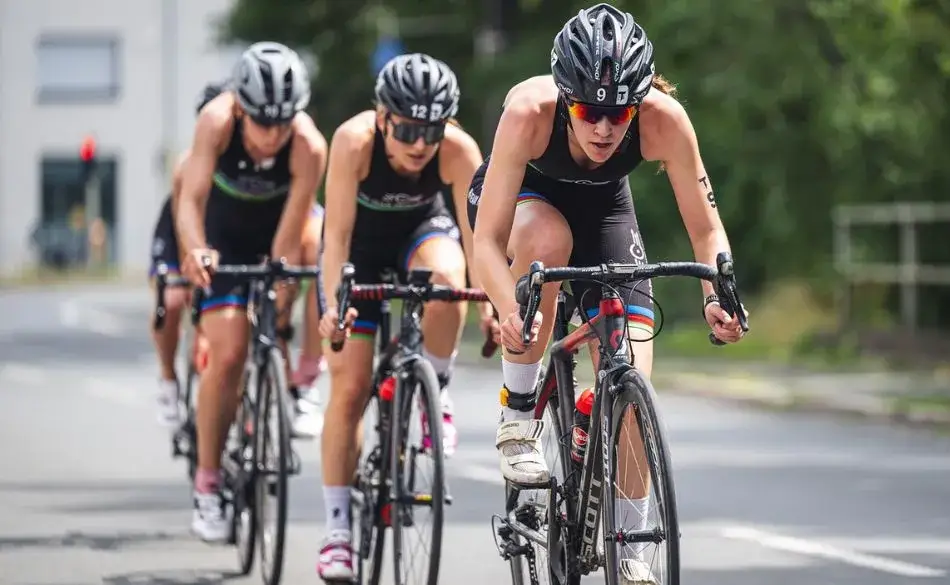
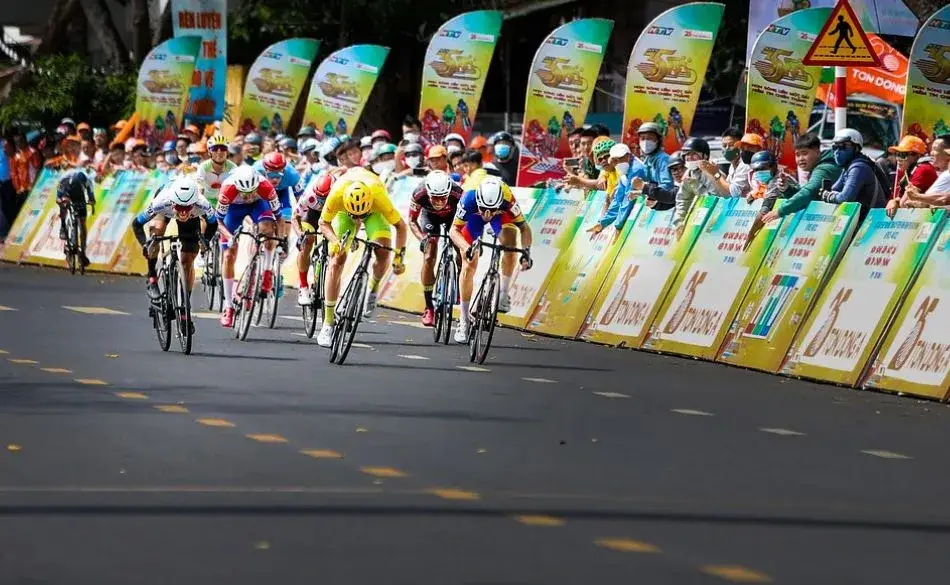


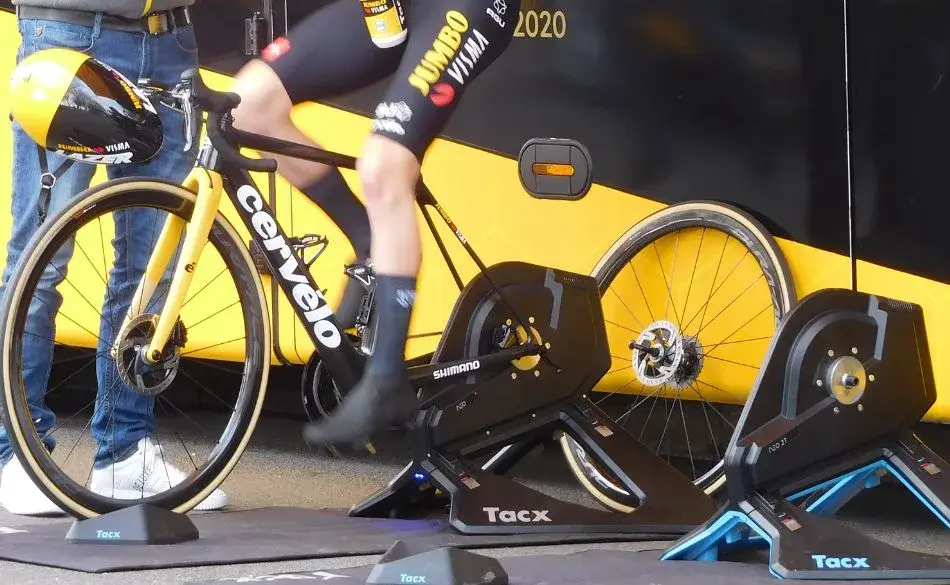


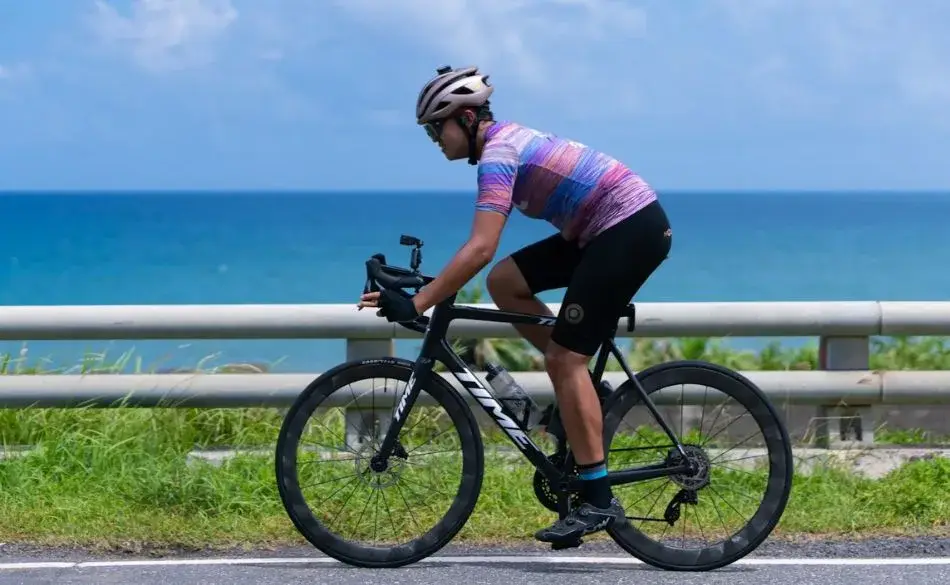
Find Your Next Cycling Race
Ready to put your training to the test? Here are some upcoming cycling events matched to this article.
 Coach Graeme

Last updated:
Most beginner cyclists improve quickly in the first few months — the fitness gains from any consistent riding are real and motivating. Then progress slows or stops. Rides feel harder but not faster. This pattern almost always has the same cause: all rides at the same effort, no structured progression, no understanding of what each session is actually for. A cycling coach fixes this from the start. This guide covers what online coaching actually does for beginner cyclists, the specific mistakes it prevents, how it compares to a training plan, and what the first two months typically look like.
Not sure where to start with training?
Tell us your goal and schedule, and we’ll give you clear direction.
No obligation. Quick, practical advice.
Explore our cycling training advice for more helpful articles and resources.
The common assumption is that coaching is for serious racers — that beginners should just ride until they’re “ready” for structured guidance. This gets it backwards. The early months of cycling training are when the most impactful habits form and the most preventable errors occur.
Experienced cyclists have already learned through trial and error what easy effort actually feels like, when to push and when to recover, and how to structure a training week. Beginners are learning all of this simultaneously — without a reference point for what’s correct. A cyclist who spends six months riding every session at medium-hard effort builds a specific kind of fitness that becomes increasingly difficult to restructure later. A coach establishes the correct effort levels, session variety, and progression framework from the start.
Cycling Weekly’s coaching analysis notes that for many people, just being accountable to someone else renews enthusiasm and commitment — and paying for advice motivates more consistent follow-through. For beginners building a new training habit, this external accountability is often the difference between a consistent 12-week foundation and a scattered pattern of occasional rides.
These mistakes appear consistently across beginner cyclists regardless of fitness background.
1. Riding every session at the same medium effort. The most universal beginner mistake. New cyclists ride all sessions at roughly “moderately hard” — enough to feel productive, not so hard it’s unpleasant. This is the training grey zone: too hard for aerobic base development (Zone 2 requires sustained easy effort) and not hard enough for meaningful speed or threshold adaptation. A coach establishes specific effort levels — genuinely easy endurance rides and deliberately harder sessions — from week one. Our Zone 2 guide explains the principle behind easy effort that applies equally to cycling.
2. No understanding of training zones. Without a coach, most beginners have no framework for what different effort levels achieve. They may have heard of Zone 2, FTP, or threshold training but cannot apply these concepts to their fitness. A coach establishes zones in the first week — by heart rate or power — and prescribes every session with specific targets. This transforms vague “going for a ride” into purposeful training that accumulates productively.
3. No recovery structure. Beginner cyclists either rest without structure or ride every day at medium effort without planned recovery. Fitness adaptations happen during recovery, not during sessions. A coach builds rest days, easy recovery rides, and recovery weeks into the programme specifically — making each hard session more productive by ensuring the body has recovered before the next demand is placed on it.
4. Increasing intensity and volume simultaneously. A common pattern: a beginner starts feeling fitter after four weeks and immediately starts going harder and longer. This doubles training stress and frequently results in illness, excessive fatigue, or overuse injury. A coach applies progressive overload methodically — one variable at a time — keeping early training more conservative than feels necessary to build the connective tissue tolerance that lags behind cardiovascular fitness.
5. Ignoring cadence. Beginner cyclists typically push big gears at low cadence (60–70rpm) because it feels powerful. Research consistently shows trained cyclists sustain 80–90rpm for endurance efforts — higher cadence reduces muscular fatigue and improves metabolic efficiency. A coach introduces cadence guidance within the first 2–3 weeks, before poor habits become ingrained. Our cycling cadence guide covers the science and the drills that coaches integrate into early programmes.
6. No goal or event structure. Riding without a target produces inconsistent motivation and no logical training arc. A coach works with you in the first session to identify a specific goal — a sportive, a distance target, an FTP improvement — and builds the entire training plan backward from that target. Having a specific date transforms training from optional to purposeful.
| Situation | Training plan | Online coaching |
|---|---|---|
| Complete beginner, simple goal (build fitness, ride 50km) | ✓ Good starting point | Useful but not essential at this stage |
| Tried structured plans, struggled to follow consistently | More of the same won't help | ✓ Accountability is the missing piece |
| Any injury history (knee, back, hip) | Too rigid to adapt around flare-ups | ✓ Weekly adjustment protects against aggravation |
| Specific performance target (FTP goal, timed event, race) | Generic plan may not suit your physiology | ✓ Personalised zones and progression required |
| Complex or unpredictable schedule | Hard to follow when weeks change | ✓ Plan adjusts around your actual week |
| Budget-constrained beginner | ✓ Best starting point — see plans below | Consider when budget allows |
| Training for first gran fondo or century ride | Workable with discipline | ✓ Recommended for events requiring 12+ weeks prep |
| Training for racing | Insufficient for race-specific preparation | ✓ Race-specific periodisation required |
A useful principle from cycling coaching research: for someone starting out, a training plan is cost-effective and provides a feel for structured training. As you get fitter and goals become more specific, personalised adjustments matter more and coaching delivers increasing value. The turning point for most cyclists: when you’ve followed a structured plan for 8–12 weeks without clear progression, or when life complexity means the fixed plan doesn’t survive contact with your actual week. The base training for cyclists guide covers the foundational aerobic phase that structured coaching or a training plan should both address in the early months.
| Phase | What happens | Coach focus |
|---|---|---|
| Week 1: Baseline | Onboarding questionnaire, first sessions. Baseline ride at easy effort with heart rate data. | Establish zones and starting volume. Identify any immediate technique concerns. |
| Weeks 2–3: Foundation | 3–4 rides/week. Mostly Zone 2 endurance. One slightly harder session (sweet spot or cadence intervals). | Monitor if Zone 2 effort is genuinely easy. Correct any grey-zone riding pattern. |
| Weeks 4–5: Consistency build | Extending ride durations. Long ride building to 1.5–2 hours. Cadence drills introduced. | Assess response to increased duration. Check saddle position feedback. Reinforce recovery day discipline. |
| Weeks 6–7: Volume progression | 4 rides/week. Long ride approaching event-preparation length. One structured interval or tempo session. | Introduce first structured hard session. Monitor weekly fatigue accumulation. |
| Week 8: Assessment | Review fitness markers — heart rate at same effort, perceived effort on standard route, readiness for next phase. | Determine whether to progress to event prep, more volume, or intensity phase based on individual response. |
The progression is more conservative than most beginners expect — and intentionally so. A 12-minute cycling test or comparable baseline assessment at the start of coaching and again after 8 weeks typically shows clear fitness improvement even in this conservative early phase, confirming the base is building correctly before intensity is introduced.
Essential: A bike, a heart rate monitor (chest strap or compatible wrist device), and a device that uploads data to TrainingPeaks — most Garmin, Wahoo, and Polar devices do this automatically. Heart rate data allows a coach to set zones, monitor effort, and see your physiological response to sessions.
Recommended but not essential to start: A power meter. Power data is significantly more precise than heart rate — it measures output directly, independent of fatigue, heat, or caffeine. If you’re planning to invest in cycling equipment, a power meter is the highest-return performance purchase available. Discuss timing with your coach — many beginners start with heart rate and add power at 3–6 months when the investment makes more sense given their commitment level.
For indoor training: A smart trainer enhances structured indoor sessions with ERG mode power control. It is not required to begin coaching. Platforms like Zwift and Rouvy make indoor training engaging; our Rouvy vs Zwift comparison covers which suits different training styles.
Cycling coaching does not require an expensive bike. A well-fitted mid-range road bike with a heart rate monitor produces all the data a coach needs to design and adjust your programme effectively.
Session delivery. Your coach delivers weekly sessions via TrainingPeaks — each appears in your calendar with specific instructions: duration, effort zone, cadence target, any technique focus. Your GPS device or smart trainer uploads data automatically after each ride.
Coach review. Your coach reviews your sessions every 1–3 days — seeing your power or heart rate, duration, whether effort matched prescription, and any session notes you left.
Weekly adjustments. Based on the previous week’s data and your communication, upcoming sessions are updated. If Thursday’s ride was harder than intended, Friday’s session gets shortened. If you nailed a challenging interval set, the following week’s version progresses. This is the core value of coaching over a plan.
Communication. Questions about sessions, schedule changes, unusual fatigue, bike fit concerns — these go directly to your coach via WhatsApp or in-platform messaging. Same-day or next-day responses are standard for quality coaching relationships.
Understanding what good effort feels like is a skill built over weeks. Our guide on quad burning when cycling covers what it means when specific muscles are overworked — exactly the kind of session feedback a coach uses to diagnose whether effort, gearing, or cadence needs adjusting.
Experience coaching beginners specifically. Ask: “Have you coached complete beginners before? What does your typical first four weeks look like?” A coach focused on competitive racers may not have the patience or methodology for gradual load progression and habit-building that beginners need.
Cycling Australia or equivalent accreditation. Cycling Australia coaching accreditation (or USA Cycling, British Cycling equivalent) confirms foundational education in training principles and athlete development. Not all good coaches have formal accreditation, but it provides a baseline assurance.
TrainingPeaks delivery. The platform enables the coach to see every session’s data and make data-informed adjustments. A coach working from a spreadsheet or PDF cannot do this — ask about the platform before committing.
Clear zone-setting process. In the first 1–2 weeks, your coach should establish training zones through an FTP test, ramp test, or heart rate-based threshold estimation. Without zones, effort prescriptions are imprecise and the coaching adds limited value over a generic plan.
No long-term lock-in. Month-to-month with the ability to pause or cancel is standard for quality coaching. For beginners who are also wondering about the physical demands of cycling on their body, our guide on whether cycling replaces leg day covers what cycling builds and where its muscular limitations are — useful context before committing to a programme.
Start Cycling With Expert Online Coaching
SportCoaching's cycling coaching is fully personalised from day one — built around your available time, current fitness, equipment, and goals. Daily data review, direct coach access via WhatsApp, weekly plan adjustments, and a 90-day performance guarantee. No lock-in contracts. AUD $143/month.
Is online cycling coaching worth it for beginners?
Yes — beginners often benefit most because the early months are when foundational habits form and the most preventable mistakes happen. A coach establishes correct effort levels, training zones, and progressive structure from the start.
What does an online cycling coach do for beginners?
Builds a personalised plan around your schedule, fitness, and goals. Adjusts it weekly based on your actual data. Establishes training zones so every session has a specific purpose. Provides accountability and communication that keeps most beginners consistent when plans alone would not.
How much does online cycling coaching cost for beginners?
AUD $100–$200/month for quality 1:1 coaching. SportCoaching is $143/month with no lock-in and a 90-day performance guarantee.
Should a beginner cyclist get a coach or a training plan?
A training plan is right for consistent beginners with simple goals and no injury history. Coaching adds clear value when you have specific performance targets, a complex schedule, injury history, or you’ve previously struggled to follow structured plans alone.
What equipment do I need for online cycling coaching?
A bike, heart rate monitor, and GPS device that uploads to TrainingPeaks. Power meter improves precision but is not required to start. Smart trainer is useful for indoor training but not essential.
Ready to put your training to the test? Here are some upcoming cycling events matched to this article.
Head Coach & Founder, SportCoaching
Graeme is the founder of SportCoaching and has coached more than 750 athletes from 20 countries, from beginners to Olympians, in cycling, running, triathlon, mountain biking, boxing, and skiing. His coaching philosophy and methods form the foundation of SportCoaching's training programs and resources.
No matter your goals, SportCoaching offers tailored training plans to suit your needs. Whether you’re preparing for a race, tackling long distances, or simply improving your fitness, our expert coaches provide structured guidance to help you reach your full potential.
Structured cycling coaching to build power, endurance, and speed.
What’s included
Browse upcoming Australian running, cycling, and triathlon events in one place. Filter by sport, check dates quickly, and plan your training around something real on the calendar.
Choose your plan to get started with personalized training plans designed to help you reach your goals.


Minna Backman
When you’re new, feedback is especially important, and Graeme is highly skilled at both analyzing numbers and understanding the importance of mental strength.











