Why Cycling Is One of the Best Exercises for Your Health
When you think about improving your health, cycling is one of the smartest choices you can make. Unlike high-impact sports, it’s a low impact exercise that’s gentle on your joints. That means you can build fitness without the pounding stress you’d get from running. For people with knee pain or arthritis, cycling often becomes a safe gateway back into exercise.
Cycling is also one of the best ways to train your heart. Studies show that people who ride regularly lower their risk of heart disease and stroke by up to 50%. It works as a form of cardio health training, strengthening the heart muscle and improving circulation. Each time you ride, your body pumps oxygen more efficiently, which helps reduce blood pressure and cholesterol levels over time.
One of my athletes, John, came to me after a health scare where his doctor warned him about rising blood pressure. We introduced structured cycling sessions into his weekly routine, starting with just 20–30 minutes three times a week. Within six months, his blood pressure dropped into a safe range, and his resting heart rate improved by nearly 10 beats per minute. More importantly, he told me he felt alive again, with energy carrying over into his daily life.
Cycling doesn’t just stop at the heart and lungs. It also improves lung function, helping you breathe deeper and cleaner. Many riders notice they can climb stairs or carry groceries without gasping for air. And let’s not forget the mental side. The rhythmic motion of pedaling reduces stress hormones, creating a calming effect that feels almost meditative.
Think about it, when was the last time you finished a ride and felt worse than when you started? Cycling has a way of lifting your mood, boosting confidence, and giving you that satisfying sense of progress every single time.
If you’d like to see the bigger picture, check out our full guide on the 35 benefits of exercise and how activities like cycling fit into a healthier, stronger lifestyle.
👉 Swipe to view full table
| Health Metric | Impact of Regular Cycling | Comparison to Walking | Comparison to Running |
|---|---|---|---|
| Resting Heart Rate | Decrease by 5–10 bpm | Decrease by 3–6 bpm | Decrease by 6–12 bpm |
| Blood Pressure | Reduce systolic by 8–10 mmHg | Reduce by 4–6 mmHg | Reduce by 7–9 mmHg |
| Lung Capacity | Increase by 15–20% | Increase by 8–12% | Increase by 18–22% |
| Joint Stress | Very Low | Low | High |
Enjoying the benefits of cycling and ready for a new challenge? The 100 km Cycling Training Plan helps you build endurance, speed, and confidence while keeping rides structured and sustainable.
- Progressive distances: Step-by-step mileage that keeps you improving safely.
- Endurance focus: Long rides to boost stamina and cardiovascular fitness.
- Interval sessions: Structured workouts to increase power and efficiency.
- Planned recovery: Easy spins and rest days to maximize gains and avoid burnout.
Don’t just read about cycling’s rewards — train for them, feel them, and celebrate your first 100 km.
Get the 100 km Plan →

Can Cycling Really Help With Weight Loss?
If you’ve ever wondered whether cycling for weight loss actually works, the answer is yes and it’s more effective than many people think. Because cycling is a full-body effort that engages your largest muscles, it burns a surprising number of calories while still being gentle on the joints. Depending on your intensity, you can expect to burn anywhere from 400 to 1000 calories per hour.
The great thing about cycling is that it can be scaled to your fitness level. For beginners, a steady ride at a moderate pace helps the body tap into fat stores without feeling overwhelming. More advanced riders can try interval cycling workouts that alternate between hard efforts and recovery. These sessions are powerful for fat burning and improving metabolism even after you’ve finished your ride.
I had one athlete, Sarah, who struggled with consistency in her workouts. She found running too hard on her knees and gym workouts uninspiring. Once she started a structured cycling weight loss plan, the story changed. Over six months, she lost more than 10 kilograms, but what stood out most was her confidence. She no longer dreaded workouts, instead, she looked forward to her rides.
There’s also a psychological benefit. Unlike many exercises that feel like a grind, cycling allows you to enjoy scenery, fresh air, and freedom of movement. That sense of fun makes it much easier to stay consistent, the true key to weight loss. Pair it with smart fueling habits, and you’ll notice results that stick.
Here’s a tip: don’t always ride at the same pace. Your body adapts quickly, so mixing in short sprints, hill climbs, or longer endurance rides keeps your metabolism guessing. Over time, this variety helps you shed fat while also building lean muscle.
If you’ve ever wondered how cycling stacks up against running for calorie burn, take a look at our breakdown on cycling vs running calories to see which exercise helps you burn more energy based on speed and effort.


How Cycling Boosts Your Mental Health
It’s easy to focus on the physical side of riding, but the mental health benefits of cycling are just as powerful. Each time you get on the bike, you’re not only working your muscles, you’re also giving your mind a chance to reset. The steady rhythm of pedaling helps quiet racing thoughts and lowers stress hormones, leaving you calmer and more focused.
For many riders, the outdoors becomes their therapy room. Fresh air, natural light, and changing scenery combine to create a unique sense of freedom. Studies show that people who cycle regularly report fewer symptoms of anxiety and depression compared to those who stick with indoor exercise alone. There’s something deeply grounding about moving under your own power while the world passes by.
I’ve coached athletes who struggled with high-stress jobs. One client told me that their evening rides were the only time of day they felt completely present. After a tough meeting or long shift, the simple act of spinning the pedals worked like an off switch for work stress. Over time, their sleep improved, and they noticed sharper concentration during the day.
Another benefit often overlooked is the social side of cycling. Joining a group ride or cycling club provides connection, encouragement, and accountability. Those friendships can be just as uplifting as the exercise itself. Even solo riders often describe feeling part of a larger community when they pass another cyclist on the road or trail.
Here’s the thing about cycling and mental health: it’s not about chasing speed or distance. It’s about carving out a pocket of time that’s just for you. Whether you ride for ten minutes or two hours, that mental refresh carries into the rest of your life, making you more resilient to everyday challenges.
The benefits of cycling are even greater when you follow a clear structure. Our Cycling Training Plans are designed to help you build endurance, improve strength, and recover properly so you can ride further and enjoy every pedal stroke.
- Endurance focus: Gradual mileage increases that strengthen your aerobic base.
- Interval workouts: Targeted sessions to boost speed, climbing power, and stamina.
- Balanced recovery: Built-in easy rides and rest days to keep energy high.
- Expert coaching: Plans developed by experienced cycling coaches who know what works.
Don’t just ride — train with purpose and turn the benefits of cycling into lasting results.
Explore Cycling Plans →

The Top Physical Benefits of Cycling
Beyond fitness and weight control, there are many unique ways cycling shapes your body and improves daily life. Here are some of the most impactful physical benefits of cycling you might not know about:
- Low impact exercise: Cycling is joint-friendly, making it ideal if you deal with arthritis or past injuries. Unlike running, it reduces stress on hips, knees, and ankles while still building strength.
- Improved lung function: Regular rides strengthen your lungs, allowing you to breathe deeper and deliver more oxygen to your muscles. This means less fatigue in everyday activities.
- Boosted muscle endurance: Pedaling builds powerful quadriceps, hamstrings, and calves. These muscles support not only your rides but also walking, climbing stairs, and even posture at work.
- Better balance and coordination: Steering, braking, and shifting gears improve core stability. Over time, this helps reduce the risk of falls, especially as you get older.
- Heart disease prevention: Cycling is one of the most effective cardio workouts for reducing the risk of cardiovascular problems. Even short rides improve circulation and heart muscle efficiency.
The beauty of cycling is that these gains add up quietly. One day you’ll notice you’re carrying groceries without strain or walking up hills without catching your breath. Those small wins make the hours in the saddle worthwhile.
Think about how much easier your daily routine could be if you felt stronger, steadier, and less tired. Cycling provides exactly that. Practical fitness that improves your quality of life, not just your time on the bike.
Want to dive deeper into the muscle changes? Discover what cycling really does to your legs and how it shapes strength, endurance, and power over time.

How Cycling Builds Stamina and Endurance
One of the biggest reasons athletes and fitness enthusiasts turn to the bike is for improved stamina. Long distance cycling benefits go far beyond logging more miles. It actually conditions your body to handle sustained effort without burning out. This translates into more energy for both sports and everyday life.
Each time you ride longer than usual, your cardiovascular system adapts. Your heart pumps blood more efficiently, your muscles store more glycogen, and your lungs become better at oxygen exchange. Over weeks and months, these changes add up, allowing you to ride faster and farther with less fatigue. That’s why cycling endurance training is a staple in many sports, from triathlon to soccer.
There’s also a mental toughness factor. Anyone who’s ridden a tough climb or faced a long headwind knows how much cycling tests your mindset. Training your brain to stay calm under stress is just as valuable as the physical improvements. Many of my coached athletes tell me that completing long rides gave them confidence in other areas of life, from handling work stress to staying patient with family challenges.
The practical side of endurance riding is equally important. Imagine being able to hike longer without exhaustion, chase your kids around without needing a break, or complete a busy day without feeling drained. Cycling builds that kind of everyday stamina in a way few other workouts can.
If you want a tip to build endurance faster: mix steady rides with shorter bursts of harder effort. This variety trains both your aerobic and anaerobic systems, making your fitness more well-rounded. Consistency is key, it’s better to ride three or four times a week than to go long only once in a while.
If you’re new to structured cycling, don’t overcomplicate it. Start with one interval session per week, such as alternating two minutes hard and two minutes easy for 20 minutes. Combine that with your usual rides, and you’ll see measurable progress within weeks. Curious what happens if you take that consistency further? Check out our guide on what happens when you cycle every day to see the long-term results daily riding can bring.
Cycling as a Lifestyle and Eco-Friendly Commute
Not every ride has to be about training. One of the most overlooked advantages of the bike is its role in daily life. Choosing to cycle for transport transforms the way you move through the world. From saving money to reducing your carbon footprint, the lifestyle benefits of cycling are just as important as the fitness gains.
Think about your commute. Swapping the car for the bike cuts fuel costs, parking fees, and even the frustration of traffic. For many people, cycling to work actually saves time during peak hours. And the hidden bonus? You arrive already energized, having snuck in a workout without carving extra time out of your schedule.
There’s also the environmental side. Commuting by bike drastically reduces greenhouse gas emissions compared to driving. Cities around the world are recognizing this, investing in cycling lanes and infrastructure to make it safer and easier for riders. As more people pedal to work, local air quality improves, creating healthier communities for everyone.
The mental shift is just as valuable. Instead of seeing travel as wasted time, it becomes an enjoyable part of the day. Imagine starting your morning with fresh air and the sound of wheels humming instead of sitting bumper-to-bumper in traffic. Small changes like this add up, making daily routines more sustainable and less stressful.
If you’re not ready to cycle every day, start small. Try replacing one or two car trips per week with the bike. Even short rides to the shops or coffee with a friend add up to meaningful benefits over time. You’ll feel healthier, save money, and know you’re making a positive impact on the planet.
There’s also the environmental side. Commuting by bike drastically reduces greenhouse gas emissions compared to driving. Cities around the world are recognizing this, investing in cycling lanes and infrastructure to make it safer and easier for riders. As more people pedal to work, local air quality improves, creating healthier communities for everyone.
For official guidelines on how much physical activity (including cycling) is needed to gain health benefits, you can refer to the WHO Physical Activity Fact Sheet. It tells you how frequent, intense, and long workouts should be so you really start reaping the benefits of cycling. Both for your body and your daily life.
Looking to turn the benefits of cycling into lasting fat loss? Our Cycling Weight Loss Plan is designed to help you burn calories efficiently, fuel smartly, and keep strength intact while dropping weight.
- Targeted calorie burn: Rides that focus on fat loss while protecting lean muscle.
- Structured intervals: High-effort bursts that boost metabolism long after your ride.
- Recovery & nutrition: Balanced rest and fueling to prevent overtraining or energy dips.
- Expert coaching: A proven plan built by cycling coaches who know how to balance weight loss and performance.
Don’t just ride more miles—ride with purpose. This plan helps you lose weight and stay strong in the saddle.
Get the Weight Loss Plan →Hidden Benefits of Cycling You Might Not Know
Most people talk about weight loss or fitness, but there are lesser-known perks that make cycling even more valuable. These hidden benefits of cycling often surprise beginners and long-time riders alike:
- Better posture: The core engagement required to stay balanced on the bike strengthens your abs and back muscles, reducing slouching and back pain.
- Improved coordination: Shifting gears, steering, and pedaling at the same time sharpen your nervous system’s ability to multitask, which carries over into daily movement.
- Boosted immune system: Research shows that moderate exercise like cycling reduces your risk of common colds by up to 40%, keeping you healthier year-round.
- Better sleep: Riding outdoors exposes you to natural light, which helps regulate your circadian rhythm. Many cyclists report falling asleep faster and waking up refreshed.
- Enhanced brain function: Regular aerobic activity boosts memory, concentration, and even creativity. It’s why some riders say their best ideas come while cycling.
What makes these benefits special is how they weave into your everyday routine. It’s not just about cycling longer or harder, it’s about enjoying a body and mind that function more smoothly. Small changes like better sleep or sharper focus may not show up on a fitness tracker, but they can make a huge difference in your quality of life.
Why Cycling Works for Older Adults and Special Groups
One of the most encouraging things about cycling is its accessibility. It’s not just for young athletes or weekend warriors. The benefits of cycling for older adults are wide-ranging, making it an exercise that can be enjoyed well into later life. Because it’s a low impact exercise, it places far less strain on joints than running or high-impact aerobics. That means people with arthritis, hip issues, or past injuries often find cycling more sustainable than other workouts.
For seniors, regular rides improve balance, coordination, and muscle strength (all of which help reduce the risk of falls). There’s also a social element. Many communities have cycling groups tailored for older riders, offering safe routes, steady paces, and plenty of camaraderie. These connections provide mental and emotional benefits alongside the physical ones.
Cycling is also adaptable for people with specific needs. Adaptive cycling benefits are huge for individuals with limited mobility. Recumbent bikes, hand cycles, and e-bikes open the door to fitness and independence for people who may not thrive with traditional options. The sense of freedom that comes from being able to move under your own power is transformative.
Families can also take part. Introducing children to cycling early builds healthy habits that stick for life. Shared rides create quality bonding time while instilling confidence and road awareness in younger riders. On the flip side, adults get the joy of seeing kids discover the simple thrill of pedaling faster than their feet can walk.
Want to take the benefits of cycling beyond general fitness and into peak performance? The Cycling Threshold Training Plan is designed to raise your power, improve endurance, and help you handle tough efforts with confidence.
- Threshold intervals: Structured sessions that steadily increase your power limits.
- Endurance development: Longer rides that support strong base fitness for higher intensity.
- Smart recovery: Rest and easy rides built in so training remains effective, not draining.
- Coach-designed: A proven program built by cycling coaches who know how to safely boost performance.
Ride stronger, recover faster, and experience the true performance benefits of cycling with focused threshold work.
Explore Threshold Plan →Performance Gains From Structured Cycling Training
For athletes and fitness enthusiasts, cycling isn’t just about staying active, it’s about unlocking new levels of performance. Structured workouts such as interval cycling workouts are one of the most effective ways to improve endurance, speed, and overall conditioning. These sessions push your heart rate up during short bursts, then allow for recovery, building both strength and resilience.
One of the key cycling endurance training strategies I use with athletes is combining long, steady rides with targeted interval work. The balance between aerobic base training and high-intensity sessions develops a well-rounded engine. Over time, this mix boosts lactate threshold (your ability to sustain harder efforts), making hills feel less daunting and long rides less exhausting.
The performance benefits aren’t limited to competitive athletes. Recreational riders who include structured training in their weekly schedule often find they can cover more ground in less time, all while feeling stronger at the end of a ride. That’s practical fitness you can feel — whether you’re taking on a weekend charity ride or simply tackling your local climb without needing to stop.
Another overlooked perk is efficiency. As you train, your pedal stroke becomes smoother and more economical. That means less wasted energy, fewer injuries, and more enjoyment in every ride. Many of my coached athletes say that the first time they noticed this “flow state” on the bike, it completely changed how they saw cycling.
If you’re new to structured cycling, don’t overcomplicate it. Start with one interval session per week, such as alternating two minutes hard and two minutes easy for 20 minutes. Combine that with your usual rides, and you’ll see measurable progress within weeks.

The Challenges and Cons of Cycling
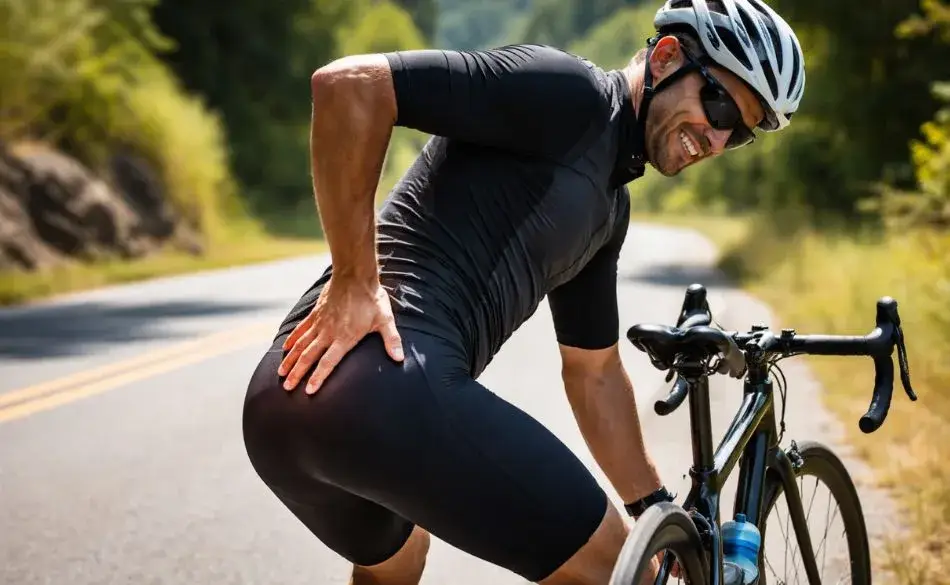
As much as I love cycling, it’s important to be honest about the challenges. No activity is perfect, and understanding the potential downsides helps you stay prepared. The most common concern is safety. Riding on busy roads can feel intimidating, and traffic accidents are a risk. This is why safe practices like wearing a helmet, using lights, and choosing protected routes are so crucial.
Weather is another factor. Unlike the gym, cycling depends on outdoor conditions. Rain, wind, or extreme heat can make rides uncomfortable or even dangerous. While indoor trainers offer an alternative, some people find them less enjoyable than riding outside. Finding a balance between outdoor adventure and indoor convenience takes time and experimentation.
There’s also the cost element. Bikes, maintenance, and gear can add up quickly. A flat tire or a worn chain might mean extra expenses you didn’t plan for. That said, cycling doesn’t have to be expensive. Entry-level bikes are perfectly capable for fitness, and basic gear like a helmet and lights are all you truly need to get started.
Time commitment is another barrier. Long rides require scheduling, and not everyone has hours to spare. But here’s the good news: even short rides of 20–30 minutes can deliver significant health and fitness benefits. The key is consistency, not perfection.
Finally, some beginners experience discomfort in the saddle. Adjusting your bike fit and building up riding time gradually helps most riders overcome this issue. For those who stick with it, the joy and rewards of cycling often outweigh the initial challenges. In fact, many of my athletes who almost quit in the first month now can’t imagine their lives without the bike.
Thinking about riding around Lake Taupō? Our Lake Taupō Cycling Training Plan takes the benefits of cycling you’ve built—endurance, stamina, and confidence—and channels them into structured training so you’re fully prepared for race day.
- Elevation preparation: Workouts designed to mimic Taupō’s climbs and descents.
- Endurance building: Gradual long rides to boost resilience for race distance.
- Pacing strategies: Threshold sessions to hold a steady speed under pressure.
- Recovery planning: Built-in rest and easy days to keep you fresh and injury-free.
Ride Lake Taupō with confidence—train smarter, finish stronger, and enjoy every kilometre.
Get the Lake Taupō Plan →Conclusion: The Lasting Benefits of Cycling
When you step back and look at the full picture, the benefits of cycling stretch far beyond fitness. It’s an activity that strengthens your heart, clears your mind, and gives you the stamina to enjoy life more fully. Whether you’re chasing weight loss, looking for stress relief, or simply searching for a sustainable way to stay active, cycling offers something for everyone.
What I’ve seen time and again with my athletes is that the bike becomes more than just a piece of equipment. It turns into a trusted partner. One that helps them manage health challenges, discover new confidence, and even find community. Those stories remind me why cycling is one of the most rewarding habits anyone can build.
The best part? You don’t need to be fast, own the latest gear, or train for races to feel the rewards. Even short rides bring energy, focus, and joy into your daily routine. From there, it’s easy to build momentum and explore more of what the bike can do for you.
So here’s my challenge to you: carve out a little time this week to get on the bike. Feel the air on your face, the rhythm of the pedals, and that sense of freedom only cycling can deliver. Chances are, you’ll finish your ride realizing that the true benefits of cycling are not just about fitness, but about living a richer, healthier, and more connected life.